
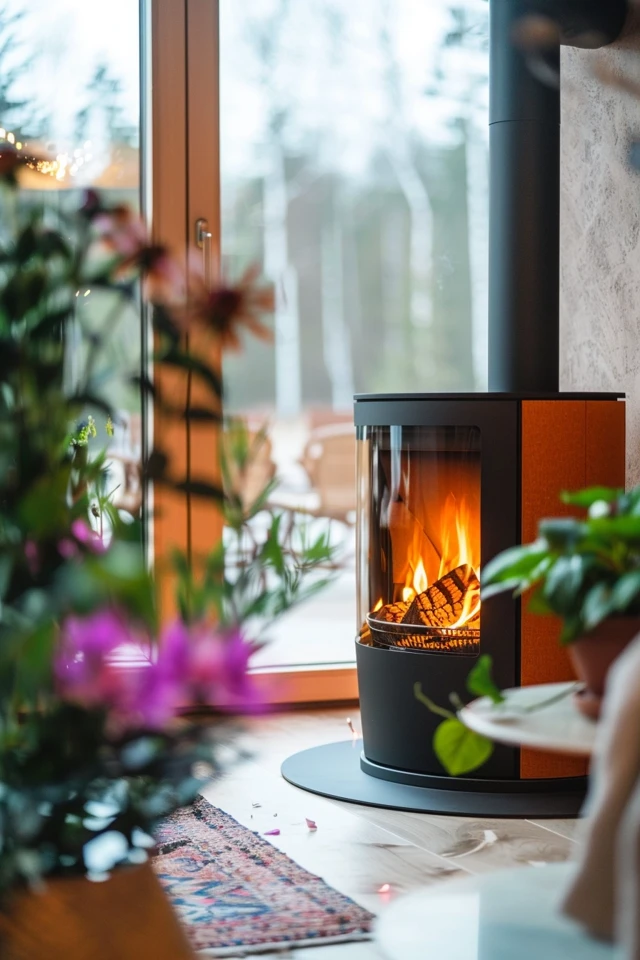
Warm Up Your Space: Pellet Stove Fireplace Ideas
There is a distinct, primal comfort in gathering around a fire during the colder months, but the labor involved with traditional wood-burning fireplaces often deters homeowners. Pellet stoves have emerged as the interior designer’s secret weapon for bridging the gap between authentic ambiance and modern convenience. They offer high efficiency and automated temperature control, yet they still provide that coveted real flame that electric inserts simply cannot mimic.
However, integrating a freestanding metal appliance into a cohesive living room design presents a unique set of challenges. You want the stove to look like an intentional architectural feature rather than an afterthought plunked down in a corner. For the visual learners, check out our curated Picture Gallery at the end of this post to see these ideas in action.
Whether you are retrofitting a vintage farmhouse or adding warmth to a contemporary apartment, the key lies in how you treat the surrounding space. From custom hearth pads to strategic furniture layouts, we will explore how to elevate your pellet stove from a utility appliance to the heart of your home.
1. Strategic Placement and Layout Flow
The most critical decision you will make in your design process is determining where the stove lives within the floor plan. Unlike a central heating vent, a pellet stove is a dominant visual and physical presence that dictates traffic flow.
The Focal Point Shift
In many modern homes, the television dominates the primary wall. When introducing a pellet stove, you create a competing focal point. I often recommend placing the stove and the television on the same wall if possible, creating a long, linear entertainment zone.
If they must be on separate walls, arrange your seating in an “L” shape or use swivel armchairs. This allows the conversation area to pivot between the screen and the fire without forcing anyone to turn their back on the heat source.
Corner Placement Optimization
Pellet stoves are frequently vented through an exterior wall, making corners a popular choice for installation. To make a corner installation look intentional, you need to soften the harsh angles.
Avoid angling the stove at a sharp 45 degrees without supporting design elements. Instead, build a triangular hearth pad that mimics the angle, grounding the unit. Use the dead space behind the stove (while maintaining clearance) for non-combustible visual interest, such as stone veneer or a curved heat shield.
Traffic Lanes and Clearances
As a rule of thumb, I always preserve a minimum 36-inch walkway around the active zone of the stove. This is not just for safety; it prevents the room from feeling cramped.
Visual weight is just as important as physical space. Because these stoves are usually black and heavy-looking, balance the room by placing a visual anchor, like a bookshelf or a substantial cabinet, on the opposite side of the room.
2. Designing the Hearth and Surround
A pellet stove sitting directly on a hardwood floor often looks temporary. To integrate it, you must design a hearth pad that acts as a stage for the appliance.
Material Selection for Hearth Pads
Safety codes usually require a non-combustible floor protector extending 6 inches to the sides and front (check your specific manual, as some require 18 inches in front). From a design perspective, I always extend this further.
I prefer using natural stone tiles, such as slate or flamed granite, because they hide ash and soot remarkably well. If you love the farmhouse look, brick pavers in a herringbone pattern add tremendous texture. For modern spaces, a single slab of honed soapstone or large-format porcelain tile creates a sleek, seamless look.
Creating a Faux Chimney Breast
One of my favorite tricks for making a freestanding stove look like a traditional fireplace is building a “faux” chimney breast behind it. This involves framing out a bump-out on the wall and cladding it in drywall, shiplap, or tile.
This serves two purposes: it hides the vertical venting pipe if you run it up through the chase, and it adds architectural depth to a flat room. Just ensure you use non-combustible materials like cement board if the stove is close to the wall.
The Backdrop Texture
If a full build-out isn’t in the budget, treat the wall behind the stove as an accent feature. Tiling the wall from floor to ceiling draws the eye upward and makes the ceiling feel higher.
Zellige tiles or hand-molded subway tiles reflect the glow of the fire, amplifying the cozy atmosphere. If you use paint, opt for a matte finish in a deep, moody color like charcoal or navy to camouflage the black stove pipe and make the flames pop.
3. Blending the Venting Pipe
The venting pipe is often the most polarizing element of a pellet stove. Some homeowners hate the industrial look, while others embrace it.
Camouflage Techniques
If you want the pipe to disappear, painting the wall behind the stove the same color as the pipe (usually high-temperature matte black) is incredibly effective. This monochromatic approach is very popular in Scandinavian design.
Alternatively, you can box in the pipe with a chase, as mentioned earlier. This essentially hides the mechanics and leaves only the beautiful stove visible.
Embracing the Industrial Aesthetic
In lofts or rustic cabins, exposed piping adds authenticity. You can enhance this by pairing the stove pipe with other metal accents in the room.
Match the finish of your curtain rods, light fixtures, or cabinet hardware to the stove pipe. This repetition of black metal creates a rhythm throughout the space, making the pipe feel like a deliberate design choice rather than a necessity.
4. Furniture Sizing and Arrangement
Furniture placement near a heat source requires a delicate balance between comfort and safety. You want to be close enough to feel the warmth, but not so close that the upholstery suffers.
The Distance Rule
Most manufacturers suggest keeping furniture at least 36 to 48 inches away from the front of the stove. In my projects, I prefer a 5-foot buffer for main seating pieces like sofas.
Radiant heat can dry out leather and warp wood over time. If you have a cherished antique sideboard or a leather club chair, place them outside the immediate “blast zone” of the stove’s blower.
Rug Selection and Placement
Rugs are essential for softening the look of a metal stove, but they pose a risk if chosen poorly. Never place a rug directly under a stove unless it is on top of a code-compliant hearth pad.
I recommend leaving at least 12 inches of bare hearth material visible between the stove legs and the edge of the rug. When choosing a rug for a room with a fire source, 100% wool is the gold standard. Wool is naturally flame retardant and self-extinguishing. Avoid synthetic fibers like polypropylene or acrylic, which can melt from stray sparks or intense radiant heat.
Side Tables and Accessories
Use side tables to bridge the gap between the safe seating line and the stove. A small stone or metal drink table placed near the hearth allows someone to pull up a chair for a moment without permanently cluttering the clearance zone.
5. Storage Solutions for Pellets
One reality of pellet stoves is the fuel. Pellets come in 40-pound bags that are not aesthetically pleasing. You need a storage solution that is accessible yet hidden.
Built-in Storage Benches
If you are building a hearth surround, consider integrating a bench with a lift-up lid to the side of the stove. This can hold several bags of pellets and provides extra seating when the fire isn’t roaring.
Decorative Baskets and Bins
For a simpler solution, use large, tightly woven baskets or copper boilers. A vintage copper bucket adds a warm metallic sheen that complements the fire.
Ensure the container has a lid or is deep enough to hide the plastic bag lining. I often suggest heavy canvas hampers with leather handles; they are durable, easy to carry, and look great sitting on the hearth extension.
Designer’s Note: The Hopper Lesson
Here is a lesson I learned the hard way early in my career. I designed a beautiful, low-profile mantel shelf directly above a pellet stove to display art. It looked perfect on paper.
However, most pellet stoves are top-loading. The client couldn’t open the hopper lid fully to pour the pellets in because the mantel blocked it. We had to rip it out and reinstall it 12 inches higher. Always measure the “lid open” height of your specific unit before installing any shelving, artwork, or mantels above it.
Common Mistakes + Fixes
Mistake: Undersized Hearth Pads
Many homeowners buy the standard 36×36 inch pad from the hardware store.
The Fix: Custom sizing. The pad should visually anchor the stove, not just catch sparks. Extend the pad at least 12 inches on either side of the unit to create a substantial base.
Mistake: Ignoring Noise Levels
Pellet stoves use fans to distribute heat, and they can be noisier than expected.
The Fix: Add soft textiles to the room. Heavy drapes, plush rugs, and throw pillows help absorb the hum of the blower fan, preventing the room from sounding like a factory floor.
Mistake: Poor Lighting Around the Stove
relying solely on the fire’s glow leaves the stove looking like a black hole during the day or when it’s off.
The Fix: Install a directional recessed light or a picture light above the stove area. This highlights the architecture of the stove and the texture of the hearth wall.
“What I’d Do” Project Checklist
If I were installing a pellet stove in a client’s living room tomorrow, this is the exact workflow I would follow:
1. Confirm the BTU needs: I would calculate the square footage to ensure we don’t buy a unit that creates a sauna (too hot) or runs constantly (too small).
2. Map the Venting: Before buying anything, I would verify where the pipe exits outside. Does it hit a deck? A walkway? This dictates the interior location.
3. Select the Finish: I would choose a matte black unit for a modern farmhouse or an enamel finish (like cream or deep red) for a traditional cottage.
4. Design the Hearth: I would spec a slate or bluestone pad, extending it wall-to-wall if the stove is in an alcove, for a built-in look.
5. Plan the Power: I would have an electrician install a floor outlet or a discreet wall outlet behind the unit so no cords are draped across the hearth.
6. Style the Zone: I would add a wool runner rug nearby and a stack of decorative birch logs in a basket (even though they aren’t fuel) to enhance the fireplace vibe.
Final Checklist
Use this summary to ensure your pellet stove installation is both beautiful and functional:
Check manufacturer clearance requirements for back, sides, and front.
Verify the “lid open” height for hopper access.
Choose a non-combustible hearth material (stone, tile, glass, metal).
Ensure the hearth pad extends sufficiently to protect flooring.
Plan for a power outlet nearby to avoid visible extension cords.
Select furniture that stands up to heat (avoid delicate veneers near the unit).
Incorporate sound-absorbing textiles to dampen fan noise.
Plan a designated spot for a pellet scoop and fuel storage.
FAQs
Can I put a TV above a pellet stove?
Technically, yes, but proceed with caution. Pellet stoves generate significant heat. You must install a mantle or a heat deflector between the stove top and the TV to divert the rising heat away from the electronics. Always check your TV’s warranty regarding temperature exposure.
Do pellet stoves need a chimney?
No, they do not need a traditional masonry chimney. They use a special venting pipe that can go horizontally out a side wall or vertically through the roof. This gives you much more flexibility in design and placement compared to a wood stove.
How do I protect my hardwood floors?
You must use a hearth pad. While you can buy pre-made pads, constructing one using cement backer board and tile allows you to match your interior design. Ensure the R-value (thermal resistance) of your pad meets the stove manufacturer’s requirements.
Are pellet stoves noisy?
They are not silent. You will hear the whir of the blower fan and the occasional “clink” of pellets dropping into the burn pot. Higher-end models tend to be quieter. In a design context, adding rugs and curtains helps dampen this sound significantly.
Conclusion
Integrating a pellet stove into your home is a marriage of engineering and aesthetics. It requires respecting the mechanical needs of the appliance while refusing to let it compromise your style. By treating the stove as a legitimate architectural feature—giving it a proper hearth, ensuring adequate breathing room, and surrounding it with quality materials—you gain more than just a heat source.
You gain a gathering place. A well-designed pellet stove corner invites you to slow down, pull up a chair, and enjoy the winter months with a level of comfort that is as efficient as it is beautiful.
Picture Gallery


