
Title: Brightening Spaces with Mandevilla Trellis Ideas
Introduction
Years ago, I had a client with a small, concrete patio that felt incredibly cold and uninviting. We tried outdoor rugs and plush furniture, but the space still lacked energy and vertical interest. The solution wasn’t more furniture; it was a pair of vigorous red Mandevilla vines climbing up matte black obelisks.
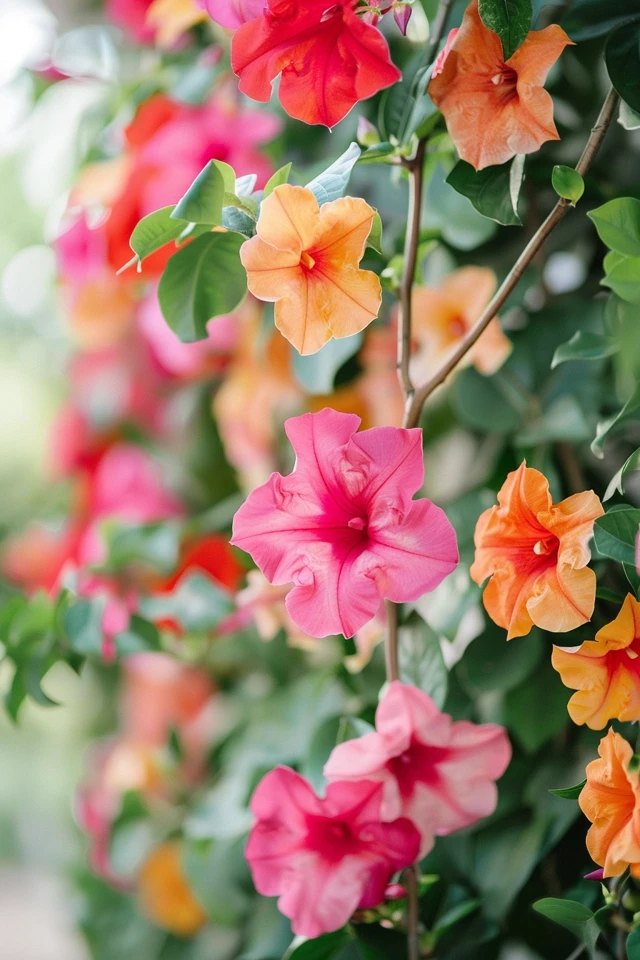
Suddenly, the eye was drawn upward, the harsh lines of the fencing were softened, and the space felt alive. Mandevilla is a powerhouse in the design world because it offers lush, tropical foliage and relentless blooms from late spring until the first frost. However, this vine is not a self-clinger like ivy; it requires intervention and structure to shine.
That structure—the trellis—is where the design magic happens. If you are looking for visual inspiration, check out the Picture Gallery at the end of this blog post. Choosing the right support system is about balancing the architectural style of your home with the biological needs of the plant.
1. Matching the Trellis to Your Architectural Style
When selecting a trellis, many homeowners make the mistake of grabbing the first white plastic grid they see at the garden center. As a designer, I urge you to treat the trellis as a piece of furniture. It is a permanent or semi-permanent fixture that needs to coordinate with your home’s exterior hardware and fencing.
If your home leans toward a modern farmhouse or industrial aesthetic, look for black metal or iron supports. The dark metal creates a stunning high-contrast look against the bright green foliage and pink or red blooms of the Mandevilla. I often try to match the trellis finish to the exterior sconces or door handle for a cohesive look.
For coastal or cottage-style homes, natural cedar or white-painted wood creates a softer, more traditional vignette. Wood adds warmth, but you must ensure it is treated for moisture resistance. A rotting trellis is a nightmare to replace once a vine has fully established its grip.
Designer’s Note: The Material Trap
I once specified a beautiful, raw copper trellis for a client with light-colored stucco walls. I failed to account for oxidation. As the copper aged, it dripped green verdigris stains down the pristine wall during rainstorms.
The Lesson: If you choose raw metals like copper or Corten steel, ensure they are positioned in garden beds or on dark surfaces where runoff won’t ruin your hardscaping.
2. Scaling Up: Sizing and Proportion Rules
Scale is the number one rule I see broken in DIY landscape design. A common error is buying a pot that is too small for the height of the trellis. Mandevilla vines are vigorous growers and can easily reach 10 feet in a single season if given the space.
If you are using a freestanding trellis inside a container, you need significant counterweight. A good rule of thumb is that the pot should be at least one-third the height of the visible trellis. For example, if you have a 6-foot trellis, your planter needs to be at least 24 inches tall and equally wide to prevent wind from tipping it over.
Visually, a skinny trellis in a wide pot looks awkward, like a candle in a soup bowl. The base of the trellis should span at least 60% of the soil surface diameter. This ensures the plant looks grounded and the hardware feels integrated rather than slapped on.
Common Mistakes + Fixes
Mistake: Using a fan trellis that is narrower than the plant’s mature width.
Fix: Mandevilla creates volume. Use a grid or obelisk shape that allows the plant to grow three-dimensionally rather than just flat. This creates a lush “column” of color rather than a flat screen.
3. Designing a Living Privacy Screen
One of the most functional ways to use Mandevilla is to create a soft privacy wall. This is perfect for balconies or patios where you are staring directly at a neighbor’s window. Unlike a solid fence, a trellis allows air and light to filter through while blocking direct sightlines.
For this application, I prefer using rectangular trough planters equipped with built-in trellis grids. To get a full screen effect, you need to calculate your plant density carefully. I typically space Mandevilla plants 18 to 24 inches apart in a trough.
If you plant them closer than 18 inches, the roots compete for nutrients, and you may get yellowing leaves at the bottom. If you space them wider than 24 inches, you will have gaps in your privacy screen until late August.
What I’d do in a real project:
- Measure the sightline: Sit in your furniture. Measure the height of your eye level. Ensure the densest part of the trellis is at that height.
- Layer the base: Mandevilla tends to get “leggy,” meaning the bottom 6 inches of stems often lose leaves. I plant trailing Dichondra or Sweet Potato Vine at the base of the trellis to cover the bare stems and soften the edge of the planter.
- Secure the structure: If the screen is freestanding, I always weigh down the bottom of the planter with bricks or gravel before adding soil. A wall of vines acts like a sail in strong winds.
4. Indoor vs. Outdoor Placement Strategies
It is crucial to remember that Mandevilla is a tropical plant (zones 9-11). For most of the US, this is an annual or a plant that must move indoors for winter. Your trellis design must account for mobility unless you plan to treat the plant as disposable.
If you live in a zone where it freezes, avoid permanent wall-mounted trellises unless you are willing to untangle the vine every autumn. Untangling a mature Mandevilla is tedious and often damages the plant.
Instead, I recommend “pot-in-pot” styling or freestanding obelisks that live entirely inside the container. When temperatures drop below 50°F, you can simply dolly the entire unit indoors.
Once inside, placement becomes a design challenge. These plants need bright, indirect light—ideally a south-facing window. A 6-foot metal obelisk in a living room can look imposing. To soften it, I usually place it in a corner behind a reading chair, allowing the greenery to peek over the furniture.
Designer’s Note: Floor Protection
Large planters with trellises are heavy. I always place high-density cork pads or wheeled plant caddies under the pots before filling them. This prevents scratching on hardwood floors and staining on outdoor stone. Do not rely on cheap plastic saucers; they crack under the weight of a wet soil column.
5. Training Techniques for Maximum Impact
A Mandevilla will not naturally grow in a perfect shape. Without guidance, it will send out long, searching tendrils that grab onto anything nearby—including your outdoor curtains or furniture. You have to tell the plant where to go.
The aesthetic goal is even distribution. You don’t want a clump of flowers at the top and bare stems at the bottom. I use a “serpentine” training method. Instead of letting the vine grow straight up, I gently weave the leading stem back and forth horizontally through the trellis rungs as it grows.
This technique slows the vertical growth slightly but encourages lateral branching. The result is a trellis that is covered in foliage from the soil line to the finial.
Recommended Training Materials:
- Green Velcro Tape: Reusable and gentle on stems. It blends in perfectly with the foliage.
- Black Zip Ties: Use these only for the main woody stems at the base for structural support. Don’t tighten them all the way; leave room for the stem to thicken.
- Natural Jute Twine: Good for rustic designs, but it will degrade over the season and need replacing.
6. Vertical Gardening in Small Spaces
For renters or those with tiny balconies, floor space is premium real estate. In these scenarios, I look at the walls and railings. Mandevilla loves to climb railings, but metal rails can get scorching hot in the summer sun, which can burn tender young vines.
A better solution is to mount a lightweight wire trellis system on the wall. These systems use stainless steel hubs and tension cables to create a grid. They are incredibly modern and virtually invisible when the plant is dormant.
Because the plant needs soil, you can place a narrow console table or a shelf bracket against the wall to hold a window box. The vine grows out of the box and immediately onto the wall grid. This keeps the floor completely clear for walking or furniture.
Key Measurement:
Keep the wire grid or wooden trellis spaced at least 2 to 4 inches away from the actual wall. This air gap is vital. It prevents mold from forming on your siding and keeps the plant from overheating against hot brick or stucco.
7. Lighting Your Trellis
We often forget how the garden looks at night. A trellis covered in Mandevilla creates a dense, sculptural shape that looks fantastic with uplighting.
I avoid shining a spotlight directly at the trellis, as this can wash out the texture. Instead, I use “grazing” light. Place a small well light or a solar spotlight about 6 to 12 inches away from the base of the pot, aiming straight up.
The light catches the underside of the leaves and the trumpet-shaped flowers, creating a dramatic, moody effect. If you have an open iron trellis, the shadows cast on the wall behind it can add another layer of visual interest to your patio.
Final Checklist: The Designer’s Approach
If I were installing a Mandevilla trellis at your home tomorrow, here is the exact mental checklist I would run through to ensure success.
- Check the Sun: Does the spot get at least 6 hours of direct sun? Without this, the vine won’t bloom, and the trellis will just be a support for green leaves.
- Select the Anchor: Is the pot heavy enough? If I push it lightly with my knee, does it wobble? If yes, I add rocks to the bottom before adding soil.
- Coordinate Finishes: Does the trellis material clash with the door hardware or light fixtures? If the house has matte black sconces, I avoid a shiny brass trellis.
- Plan for Water: Does the pot have drainage? Mandevilla hates wet feet. I ensure there is a clear exit for water so the trellis doesn’t rot at the base.
- Review the Sightline: I sit in the main viewing chair. Is the trellis blocking a view I want to keep, or is it successfully blocking the AC unit or neighbor?
FAQs
Can I leave my Mandevilla trellis outside all year?
Only if you live in USDA Hardiness Zones 9 or higher (like parts of Florida, Texas, or California). In colder zones, the frost will kill the plant. You can leave the trellis structure outside if it is weather-proof, but the plant must move or be treated as an annual.
Why is my Mandevilla only blooming at the very top of the trellis?
This is usually a lighting or pruning issue. If the top of the trellis gets sun but the bottom is shaded by furniture, blooms will only form at the top. Also, try pinching off the growing tips early in the season to encourage side shoots lower down on the vine.
Is Mandevilla toxic to pets?
Yes, Mandevilla is considered toxic to cats and dogs if ingested. The sap can cause mild indigestion or skin irritation. If you have a puppy that chews everything, I recommend keeping the planter raised or choosing a different vine like Star Jasmine (depending on your zone).
How do I clean the trellis at the end of the season?
If you are discarding the plant, cut the vines at the base. Let them dry out on the trellis for a week or two. Brittle, dry vines are much easier to snap off and remove than flexible, living green ones. Use a stiff brush to remove any clinging tendrils.
Conclusion
Integrating Mandevilla vines into your home design is about more than just gardening; it is about architecture and spatial planning. By choosing the right trellis material, scaling your containers correctly, and training the vine with intention, you turn a simple plant into a living sculpture.
Whether you use a series of troughs to create a privacy wall or a single statement obelisk to brighten a dark corner, the key is consistency and care. Remember to treat the trellis as a permanent design feature, coordinate it with your home’s exterior, and respect the biological needs of the plant. With the right structure, your Mandevilla will provide a season-long display of color that elevates your entire outdoor living experience.
Picture Gallery


