
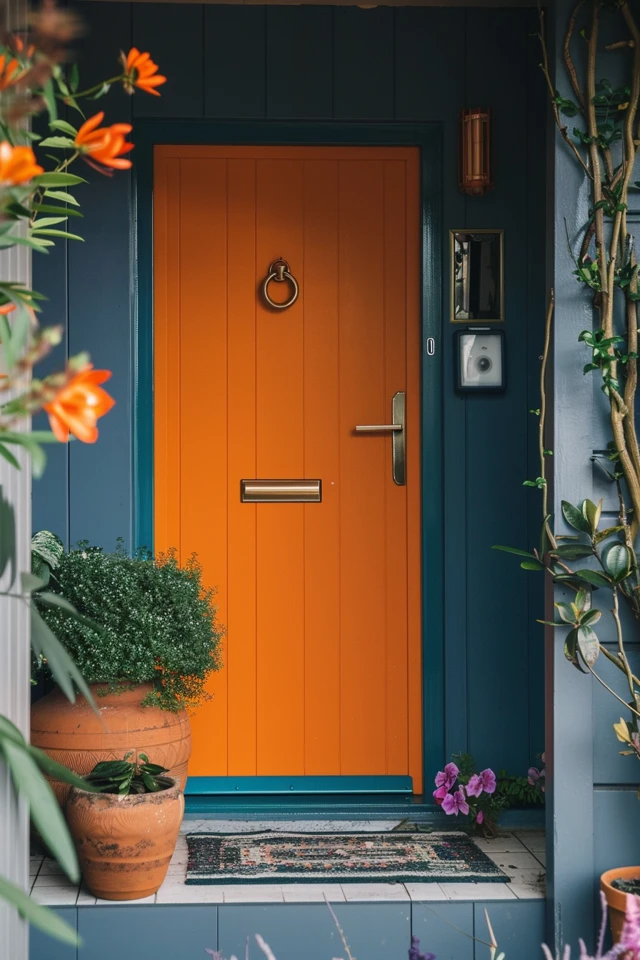
Creative Front Door Covers Ideas to Inspire You
There is nothing quite as frustrating as fumbling for your house keys while a heavy rainstorm soaks you to the bone. I realized this early in my career when I visited a client’s home during a downpour, and we both stood shivering on an exposed stoop while the lock stuck. That moment solidified a core design belief for me: an entryway must offer shelter before it offers style.
A front door cover—whether it is a full portico, a sleek glass awning, or a vine-wrapped pergola—serves as the handshake of your home. It defines the architectural focal point while protecting your door hardware, packages, and guests from the elements. However, finding the balance between structural necessity and curb appeal requires careful planning regarding scale and materials.
In this guide, I will walk you through the most effective ways to cover your entry, from major architectural additions to simple weekend updates. If you are looking for visual inspiration, be sure to check out the Picture Gallery at the end of the blog post for real-world examples. Let’s explore how to transform your front steps into a welcoming, protected destination.
1. The Classic Portico and Gabled Roof
A portico is arguably the most substantial way to add value and presence to a home’s façade. This is a roof structure supported by columns that extends over your front landing. It works exceptionally well for Colonials, Cape Cods, and traditional ranch-style homes that feel a bit “flat” from the street.
When designing a portico, scale is the most critical factor. A common mistake I see is undersized columns that look like toothpicks holding up a heavy roof. Visually, the columns need to feel capable of bearing the weight, even if the load is light.
Designer’s Note: The Rule of Proportions
If you are building a portico, your columns should generally be at least 8 to 10 inches in diameter for a standard single-story entry. If you have a double-height entry, those columns need to scale up significantly to avoid looking spindly. Additionally, the roof pitch of your portico should mimic the roof pitch of your main house to ensure it looks original to the build, not tacked on.
Key Design Considerations
- The Landing Zone: The concrete or stone pad beneath the portico must be larger than the roof itself. You want water to drip off the roof into the garden beds, not onto the edge of your concrete where it can cause icing in winter.
- Lighting Placement: A portico creates a ceiling, which is the perfect opportunity for a pendant light. Ensure the bottom of the fixture hangs no lower than 80 inches from the floor to clear tall guests and moving boxes.
- Material Continuity: Match the shingles on the portico to your main roof. If you cannot get an exact match, opt for a contrasting material like copper standing seam, which adds a timeless, high-end aesthetic.
2. Awnings and Canopies
If a full construction project involving footings and columns isn’t in the budget, or if you have a modern home that requires clean lines, wall-mounted awnings are the solution. These attach directly to the exterior wall above the door frame.
For modern and industrial homes, I frequently specify glass and metal canopies. They provide rain protection without blocking natural light, which is vital if you have a transom window above your door. You don’t want to make your entryway dark in the process of making it dry.
Common Mistakes + Fixes
- Mistake: Mounting the awning too low.
- Fix: Install the awning at least 6 to 10 inches above the top of the door trim. This prevents the space from feeling claustrophobic and ensures rain doesn’t splash back onto the threshold.
- Mistake: Ignoring drainage.
- Fix: Ensure the awning has a slight pitch (slope) away from the house. If you install a flat metal plate, water will pool and eventually rust or leak against the siding.
Fabric vs. Hard Materials
Fabric awnings (like Sunbrella canvas) offer a softer, more traditional look and are excellent for introducing color. However, they require maintenance. You will need to clean them annually to prevent mold growth, and they may need recovering every 7–10 years.
Hard awnings made of copper, steel, or polycarbonate are essentially permanent. Copper is my favorite for historic homes because it develops a beautiful verdigris patina over time. It tells a story of age and permanence that fabric simply cannot mimic.
3. The Pergola and Greenery Strategy
Sometimes you want filtered light rather than a solid roof. A pergola structure extending over the front door adds architectural depth and texture. This is a landscape-forward approach that works beautifully for cottage, Mediterranean, and Craftsman styles.
The primary benefit of a pergola is the integration of nature. By training vines to grow over the cross-beams, you create a living canopy that cools the entryway in summer while dropping leaves to allow warm sun in winter.
What I’d Do in a Real Project: Vine Selection
If I were designing a pergola entry, I would be very selective about the plant material.
- For rapid coverage: Wisteria is stunning but heavy. You need 6×6 posts minimum to support the weight of a mature wisteria vine.
- For fragrance: Jasmine or climbing roses offer an incredible sensory experience for guests.
- For low maintenance: Avoid ivy, which can damage mortar and siding. Stick to clematis, which is lighter and easier to prune.
The Structure Logic
The “tail” design—the decorative ends of the rafters—defines the style. Curvy, scrolled tails look traditional, while square-cut ends look modern. Ensure the lumber is pressure-treated or cedar to resist rot. I usually recommend painting the pergola to match the house trim, or staining it a rich cedar tone to connect with the landscape.
4. Recessed Entries and Alcoves
In many new builds or urban renovations, the “cover” is actually carved out of the home’s footprint. A recessed entry provides excellent protection because walls surround you on three sides. However, these spaces can easily become dark and uninviting “caves” if not styled correctly.
Because you cannot change the structure of a recessed entry easily, you must rely on finishes to make it feel deliberate. The goal is to make the alcove feel like an outdoor room rather than a dark tunnel.
Brightening the Alcove
Since natural light is limited, artificial lighting is non-negotiable here. I typically recommend a three-point lighting strategy for deep recessed entries:
- Overhead: A flush mount or recessed can light to illuminate the threshold.
- Sconces: Wall lights on either side of the door to illuminate the lock and handle.
- Landscape: Uplighting on the exterior corners of the alcove to highlight the architecture from the street.
Designer’s Note: Flooring Transitions
Use the floor to visually extend the space. If you have a small recessed porch, run the paving materials (brick, slate, or stone) out past the shelter line to widen the approach. This tricks the eye into seeing a grander entrance. Always check the slip resistance rating of your tile; an alcove protects from rain, but wind-blown snow or mist can still make smooth tiles slippery.
5. Styling the Cover: Details That Matter
Once you have selected the type of cover—be it portico, awning, or alcove—the styling is what makes it feel like home. The structure provides the shelter, but the details provide the personality.
The interaction between the door color and the cover is essential. If you have a dark, heavy portico, a bright or light-colored door helps draw the eye toward the entry. If you have a glass awning, a rich wood door can add necessary warmth.
The “jewelry” of the entry
- House Numbers: Place these where the light from your new cover will hit them. If you built a portico, mounting numbers on the central column is a classic, readable choice.
- Mailboxes: If your mailbox is near the door, ensure the finish matches your door hardware and lighting. Mixing oil-rubbed bronze with polished chrome rarely looks intentional.
- The Doormat: With a covered entry, you have more freedom with rug materials. You can use natural fibers like jute or thick coir because they aren’t getting soaked daily. I recommend a rug width that matches the width of the door casing, usually around 36 to 42 inches wide.
Pro Tip: Container Sizing
When placing planters under a covered entry, bigger is always better. A small pot looks like clutter. Choose a pot that is at least 18-24 inches tall. Place them just outside the “swing zone” of the door so they don’t get knocked over by grocery bags.
Final Checklist: Planning Your Front Door Cover
Before you hire a contractor or buy materials, run through this “What I’d Do” checklist to ensure you haven’t missed a critical detail.
1. Check the Sun Orientation
- South-facing entries get intense sun. You need a solid roof or canvas awning to prevent your door finish from peeling.
- North-facing entries are darker. Opt for glass canopies or high porticos to maximize light.
2. Verify Vertical Clearance
- Measure the distance from the top of the door frame to the roofline or second-story windows.
- You generally need at least 12–15 inches of vertical space to mount a structural awning properly.
3. Plan for Water Runoff
- Where will the rain go? If you build a gable roof, you may need miniature gutters or a diverter.
- Never direct water toward the foundation or the walking path.
4. Match the Era
- Mid-Century Modern: Flat roof, cantilevers, or slat pergolas.
- Colonial/Traditional: Gabled porticos with white columns.
- Farmhouse: Metal shed roof with timber brackets.
5. Lighting Rough-In
- If you are building a structure, run the wire before you close up the ceiling. Retrofitting wire into a finished portico is expensive and messy.
Frequently Asked Questions
Do I need a permit to add a portico or awning?
For a structural portico involving footings and roofing, yes, you almost certainly need a building permit. It changes the footprint of the home. For a bolt-on wall awning, you often do not need a permit, but HOA rules may still apply. Always check with your local municipality first.
How deep should a front door cover be?
To provide actual protection from rain while you unlock the door, the cover should extend at least 3 to 4 feet from the wall. Anything shallower than 3 feet is mostly decorative and won’t keep your legs dry during a storm.
What is the most durable material for an entryway roof?
Standing seam metal (steel or copper) is incredibly durable and sheds snow and ice easily. For the support columns, fiberglass composites are superior to natural wood because they do not rot, warp, or attract termites, yet they can be painted to look exactly like wood.
Can I add a cover if I have a low roof overhang?
This is tricky. If your roofline is low (like on a ranch home), you might not have room for a separate roof. In this case, extending the main roofline out to create a porch is the best architectural solution, though it is more complex than adding a simple awning.
Conclusion
Adding a cover to your front door is one of the highest-impact upgrades you can make to your home’s exterior. It solves a functional problem—keeping you and your home dry—while simultaneously boosting curb appeal and property value.
Whether you choose the grandeur of a columned portico, the charm of a vine-covered pergola, or the sleekness of a glass canopy, the key is respecting the architecture of your home. Pay attention to scale, plan your water management, and don’t forget the lighting. A well-designed entry doesn’t just keep the rain off; it welcomes you home every single day.
I hope these ideas have sparked some creativity for your own project. Browse the gallery below to see how these concepts translate into real-world designs.
Picture Gallery


