
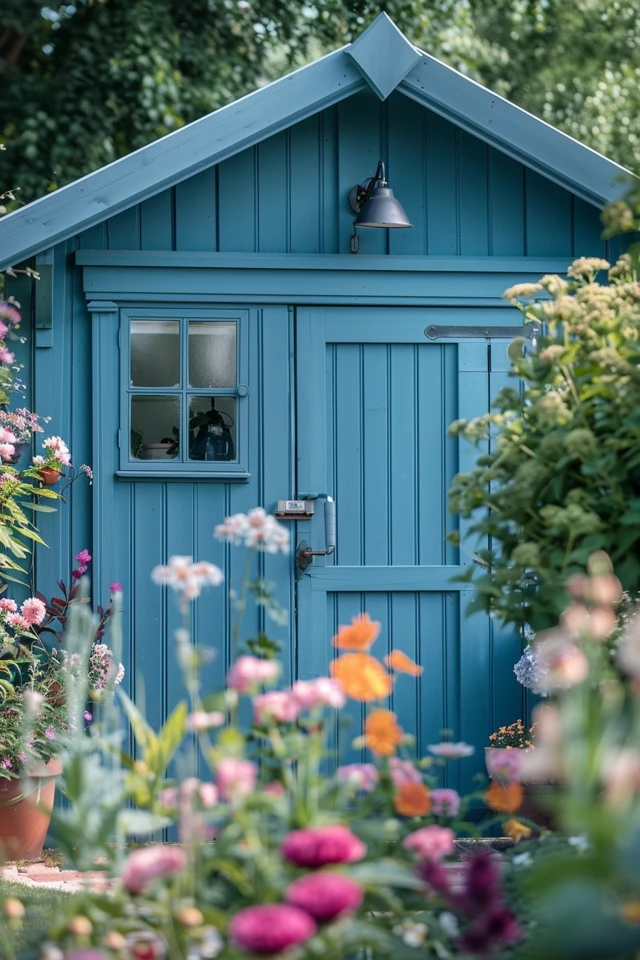
Creative Pool House Shed Ideas for Your Backyard
There is nothing quite like the rush of hosting a summer pool party or enjoying a quiet Sunday swim, but the logistics of wet swimsuits and towel storage can quickly clutter your main home. A dedicated pool house solves these functional issues while serving as a beautiful architectural focal point in your landscape. If you are looking for visual inspiration, you can scroll down to the Picture Gallery at the end of this blog post.
Many homeowners mistakenly believe they need a massive budget and a full-scale construction crew to build a pool house, but reimagining a high-quality shed structure is often a smarter, more efficient route. With the right insulation, finishes, and layout, a humble shed can transform into a luxury cabana, a guest suite, or a chic changing room.
In this guide, I will walk you through the design process I use with my clients to turn backyard structures into functional, durable extensions of the home. We will cover everything from layout planning and material selection to the specific measurements required for a comfortable flow.
1. Defining the Function and Zoning the Layout
Before you buy materials or hire a contractor, you must decide exactly what this structure needs to do. In my design practice, I often see clients trying to cram a kitchen, a bathroom, a changing room, and a lounge area into a 10×12 foot space. This usually results in a cramped room where nothing functions well.
You need to prioritize the primary purpose of the shed. Is it strictly for utility, serving as a changing room and storage for pool chemicals? Or is it a social hub intended for cocktails and lounging out of the sun?
If you are working with a standard shed footprint, such as 10×14 or 12×16, you generally have room for two “zones.” For example, you can successfully pair a changing room with a small kitchenette, or a lounge area with storage.
Designer’s Note: The Golden Rule of Zoning
When planning a small footprint, always separate wet zones from dry zones. If you are installing a toilet or a changing area, place it near the entrance so wet feet do not have to traverse across a rug or lounge area. I recommend allocating a minimum of 4 feet by 5 feet for a comfortable changing enclosure. Anything smaller feels like an airplane lavatory.
Common Layout Options
The Social Lounge
This layout prioritizes seating. It typically features a large opening, such as French doors or a garage-style roll-up door, facing the pool.
Furniture: An L-shaped sectional or two facing loveseats.
Focus: easy indoor-outdoor transition.
Storage: Minimal hidden storage for pillows.
The Utility Cabana
This focuses on keeping the main house clean. It requires plumbing and distinct partitions.
Remainder: Open space for towel racks, a mini-fridge, and sunscreen stations.
Flooring: Fully waterproof tile or concrete.
2. Exterior Design and Architectural Integration
A pool house shed should not look like it was dropped from outer space; it needs to converse with your main residence. However, “matching” doesn’t mean “copying.” You want the shed to feel like a cousin to your house, not a twin.
If your main house is traditional brick, a brick shed might feel too heavy or expensive. Instead, try pulling a secondary color from your home’s exterior palette. For example, if your house has black shutters, a black board-and-batten shed creates a cohesive look without matching the brick.
Rooflines and Overhangs
One of the most critical elements in a pool house is the roof overhang. Standard storage sheds usually have very short eaves (about 4-6 inches). For a pool house, I always specify an overhang of at least 18 to 24 inches on the front.
This extended overhang provides shade for a bench or potted plants and protects the door from direct rain. It instantly elevates the look from “storage unit” to “custom structure.”
Siding Materials
Hardie Board (Fiber Cement)
This is my top recommendation for pool houses. It is rot-resistant, fire-resistant, and holds paint incredibly well. Since pool areas are high-moisture zones, fiber cement withstands the splash factor better than wood.
Cedar or Redwood
These woods are naturally resistant to rot and insects and look stunning when left natural. However, they require annual maintenance (sealing) to prevent them from turning gray or warping. If you want low maintenance, avoid natural wood siding in splash zones.
Vinyl
Modern vinyl has come a long way. If you choose vinyl, opt for a “board and batten” profile rather than standard horizontal lap siding. The vertical lines draw the eye up, making a small shed ceiling feel higher.
3. Interior Finishes: Moisture and Durability
The interior of a pool house is a hostile environment for standard home finishes. Between wet swimsuits, humidity, and pool chemicals, you need materials that are bombproof.
Walls and Ceilings
Skip the standard drywall. In an unconditioned or semi-conditioned shed, drywall can trap moisture, leading to mold or tape separation.
Shiplap or Beadboard: Wood or PVC cladding is superior here. It allows for slight expansion and contraction and offers a finished, coastal look immediately.
Marine-Grade Plywood: For a modern, industrial look, high-grade plywood with a clear sealer can look fantastic and withstand humidity.
Flooring Requirements
Safety is paramount. You never want polished stone or smooth ceramic tile in a pool house. When wet, those surfaces become ice rinks.
Luxury Vinyl Plank (LVP): This is cost-effective and 100% waterproof. Look for a commercial-grade wear layer (20 mil or higher).
Honed or Flamed Stone: If your budget allows, natural stone with a textured finish provides excellent grip.
Poured Concrete: This is a great contemporary option. You can etch or stain it. Just be sure to apply a non-slip sealer.
Common Mistake: Ignoring Slip Ratings
Homeowners often buy tile based on looks alone. Always check the “DCOF” (Dynamic Coefficient of Friction) rating on tile specifications. For a wet area like a pool house, you want a rating of 0.42 or higher to ensure safety.
4. Lighting and Electrical Planning
Lighting transforms a dark shed into an inviting evening retreat. Since sheds are often smaller spaces, lighting also dictates the mood.
Natural Light
Maximize windows. If privacy is a concern, install transom windows (long, horizontal windows placed high on the wall). They let in light but block the view from neighbors. I typically place these 6 feet off the finished floor.
Layering Artificial Light
Avoid relying on a single overhead light bulb, which casts unflattering shadows.
1. Ambient: Recessed cans or a central flush mount fixture.
2. Task: Sconces flanking a mirror in the changing area.
3. Accent: Exterior sconces on either side of the French doors.
Smart Electrical Placement
Think about how you use technology by the pool.
Outlets: Place outlets higher up on the wall than usual (18-24 inches) if you are concerned about hosing down the floor.
Exterior Power: Ensure you have an exterior GFCI outlet for plugging in pool vacs, string lights, or music speakers.
Dedicated Circuit: If you plan to install a mini-fridge or a beverage cooler, ensure your electrician runs a dedicated circuit so the compressor doesn’t trip your lights.
5. Furnishing for Comfort and Scale
Furnishing a small structure requires discipline regarding scale. Standard living room furniture is often too deep (36-40 inches) for a 10-foot wide room.
Choosing the Right Sofa
Look for “apartment scale” furniture. Ideally, a sofa depth of 30 to 34 inches works best. This saves precious floor space for traffic flow.
Material: Use outdoor performance fabrics inside the pool house. Brands like Sunbrella or Crypton are non-negotiable. They resist fading from UV rays and can handle wet swimsuits without mildewing.
Legs: Choose furniture with legs rather than skirted bases. Seeing the floor underneath the furniture makes the room feel larger and airier.
Rug Selection
If you use a rug, choose a polypropylene or PET (recycled plastic) indoor/outdoor rug. These can be taken outside and hosed off.
Sizing Rule: Leave at least 12 to 18 inches of bare floor visible around the perimeter of the rug. This frames the space and prevents the room from looking “stuffed.”
Storage Solutions
In a pool house, people rarely use hangers. We are lazy when we are swimming.
Hooks vs. Closets: Install a row of heavy-duty hooks or a peg rail around the perimeter of the room. It is easier to throw a towel on a hook than to use a hanger.
* Hidden Storage: Use ottomans or benches with lift-up tops to store pool noodles and toys out of sight.
What I’d Do in a Real Project: Mini Checklist
If I were designing a 12×16 pool house shed for a client today, here is the exact workflow I would follow to ensure success:
1. Establish the Grid: I would verify the setbacks. Most municipalities require accessory structures to be 3 to 5 feet away from the property line.
2. Foundation First: I would pour a concrete slab foundation rather than using wood skids. It is more permanent, prevents rodents from nesting underneath, and serves as the finished floor.
3. Door Selection: I would order a 6-foot wide French door or a bi-fold window servery bar. The connection to the outdoors is the most important feature.
4. Utility Rough-In: I would trench electricity and a cold water line (for an outdoor shower or bar sink) before pouring the slab.
5. Insulation: Even if it is seasonal, I would use closed-cell spray foam insulation. It adds structural rigidity and keeps the space from becoming an oven in July.
6. Walls: I would install horizontal nickel-gap shiplap painted in a satin finish (easier to wipe down).
7. Furnishings: I would source a teak bench for the exterior and a slipcovered performance-fabric loveseat for the interior.
Frequently Asked Questions
Do I need a permit for a pool house shed?
Almost certainly. While some cities allow small garden sheds (under 100 sq ft) without a permit, once you add electricity, plumbing, or a concrete foundation, a permit is usually required. Always check your local zoning for “accessory dwelling unit” or “accessory structure” rules.
Can I add a toilet to a shed without a major septic overhaul?
Yes, but it depends on your existing plumbing depth. If gravity flow isn’t possible, an up-flush (macerating) toilet system is a great solution. It grinds waste and pumps it to your main sewage line through a small pipe, often avoiding the need to break up the concrete floor.
How much space do I need for a bar area?
For a functional bar, you need a minimum depth of 24 inches for the counter and 36 to 42 inches of clearance behind it for the bartender to move. If you want barstools on the guest side, add another 36 inches for seating clearance.
What is the best way to cool a pool house?
A ductless mini-split system is the gold standard. It provides both heating and cooling, is whisper-quiet, and requires only a small 3-inch hole in the wall for installation. If that is out of budget, a high-quality ceiling fan is essential for keeping air moving.
Conclusion
Creating a pool house shed is one of the most rewarding backyard projects you can undertake. It reclaims your main house from wet towels and provides a dedicated destination for relaxation. The key is to respect the constraints of the space. By using durable materials, keeping the layout simple, and scaling your furniture correctly, you can create a luxury retreat just steps from your back door.
Take the time to plan your utilities and zoning before you build. A well-thought-out shed adds significant value to your property and your lifestyle, proving that you do not need square footage to create a high-end design moment.
Picture Gallery


