
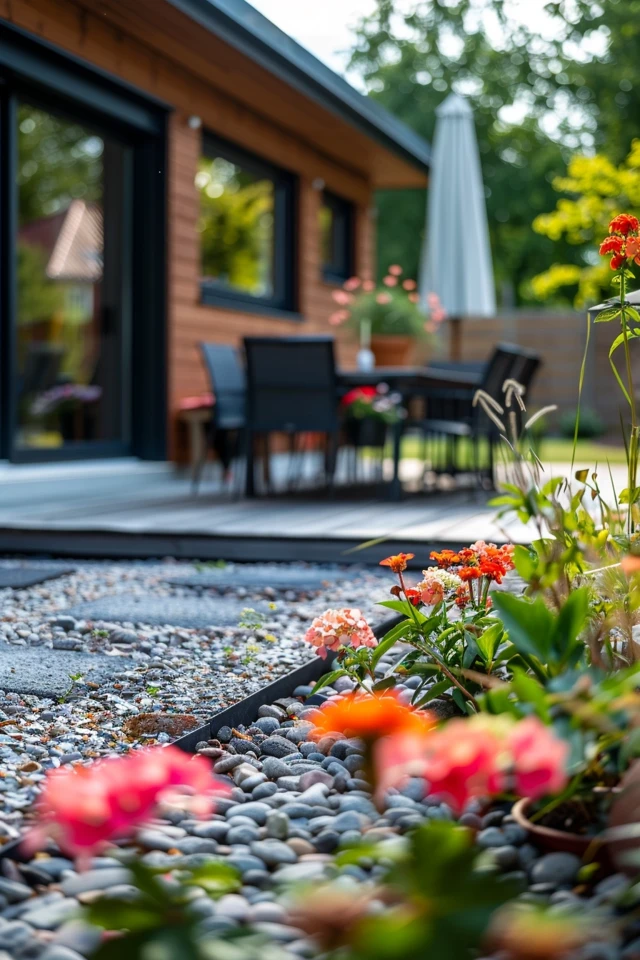
Hiding Pool Gear with Creative Landscaping Ideas
There is nothing quite like the sound of water to transform a backyard into a sanctuary, but the machinery required to keep that water sparkling is often an eyesore. I have walked into countless client backyards where a stunning turquoise pool is visually undercut by a jumble of gray PVC pipes, loud pumps, and bulky heaters sitting right in the sightline. It is the most common friction point between functional engineering and aesthetic landscape design.
The challenge is not just covering it up; it is hiding the equipment while maintaining safety, airflow, and accessibility for your service technicians. If you block the airflow, you burn out the pump; if you block access, you will pay double for labor when things break. You can find a curated collection of visual examples in the Picture Gallery at the end of this post.
In this guide, I will walk you through the exact methods I use to integrate these necessary mechanical elements into a cohesive garden design. We will look at structural solutions, planting plans that won’t destroy your plumbing, and noise-canceling strategies that actually work.
1. Structural Screens and Custom Carpentry
The most reliable way to hide pool equipment is with a permanent structure that mimics the architecture of your home. Hardscaping provides an immediate visual block that does not require water or pruning. In my projects, I almost always start by designing an L-shaped or U-shaped enclosure using high-quality timber or composite materials.
The key here is ventilation. You never want to seal pool equipment inside a solid box unless you have installed active ventilation fans. A better approach is using horizontal slats. I usually spec 1×4 cedar or ipe boards with a 1-inch to 1.5-inch gap between them.
This spacing allows heat to escape and fresh air to circulate around the motors. Visually, the eye stops at the wood, but the air passes right through. This style also feels modern and high-end rather than looking like a generic utility fence.
Designer’s Note: The “Service Radius” Rule
A common disaster I see is homeowners building a screen 12 inches away from the equipment to save space. Do not do this. You need a minimum of 30 to 36 inches of clearance between the equipment and the screen. Your pool technician needs to be able to squat, turn a wrench, and remove filter lids without banging their elbows. If the space is tight, make the screen panels removable or hinged.
When selecting materials, durability is paramount. Pool equipment areas are humid and often splashed with chemically treated water.
- Pressure-treated pine: Economical, but requires staining every two years to prevent graying and warping.
- Cedar or Redwood: Naturally rot-resistant and beautiful, but more expensive.
- Composite (e.g., Trex): Zero maintenance, but can look plastic if you don’t choose a high-end grain pattern.
- Vinyl: I generally avoid white vinyl lattice as it tends to look cheap and brittle over time.
If you are dealing with a heater, check the manufacturer’s manual for “clearance to combustibles.” Some heaters require 4 feet of open space above them. If you build a roof or pergola over your equipment, you might need a heat shield or a specific vent hood to prevent a fire hazard.
2. Softscaping: Using Plants as a Living Wall
If a wooden structure feels too heavy or expensive for your space, a “green wall” is a softer, often more budget-friendly alternative. However, landscaping around pool machinery is tricky. You have to choose plants that are tough, evergreen, and, most importantly, “clean.”
You want to avoid deciduous plants that drop leaves in the fall. If leaves fall directly onto the equipment pad, they rot, attract rodents, and clog the air intakes of your heater and pump motors. You also need to avoid plants with invasive root systems that will seek out the moisture in your PVC lines and crack them.
My Go-To Plant List for Equipment Screening:
- Clumping Bamboo (Fargesia species): Unlike running bamboo, this won’t take over your yard. It grows tall, dense, and fast, providing a lush tropical look.
- Ornamental Grasses (Maiden Grass or Switchgrass): These soften the hard lines of the piping. They sway in the wind and distract the eye. Just remember to cut them back in early spring.
- Tall Hedges (Podocarpus or Privet): These can be shaped into a formal rectangular wall. They offer the best sound absorption of any plant option.
- Boxwoods: Great for lower equipment, but they grow slowly. Use them only if you are patient or can afford mature specimens.
Common Mistakes + Fixes
Mistake: Planting too close to the concrete pad.
Fix: Plant the root ball at least 3 to 4 feet away from the concrete edge. Plants grow wider than you think. If a shrub overgrows the equipment, it traps moisture, which leads to rusted motor casings and electrical shorts.
Another factor is debris management. Avoid plants with thorns (like Bougainvillea) near the equipment. Your pool guy will hate you, and you might find yourself paying a “nuisance fee” or finding it hard to keep a service company. Keep the path to the equipment paved with gravel or stepping stones, not mulch. Mulch tends to migrate during heavy rains and can end up clogging the drainage around the equipment pad.
3. The Dual-Purpose Approach: Storage and Utility Sheds
For clients with a higher budget or larger properties, I often recommend integrating the equipment concealment into a larger structure. If you need storage for pool floats, chemicals, and cleaning robots, it makes sense to build a pool house or a large shed that serves both purposes.
The design strategy here is to create a “service side” and a “leisure side.” The leisure side faces the pool and might feature a changing room, a bar, or towel storage. The back or side of the structure houses the noisy pumps and filters.
Critical Considerations for Enclosed Structures:
- Chemical Storage Safety: Never store pool chemicals (especially acid and chlorine) in the same unventilated space as your metal heater and pumps. The fumes from the chemicals will corrode the metal copper coils in your heater within a few seasons. If you build a shed, create a separate, ventilated locker for chemicals.
- Acoustics: A shed structure is excellent for noise reduction, provided you line the interior walls with sound-dampening materials.
- Drainage: Equipment leaks. Filters need to be backwashed. Ensure your shed has a floor drain or a sloped concrete floor that leads water out of the structure so it doesn’t flood your motors.
If you are renting or on a tight budget, you can achieve a similar effect with pre-fabricated resin sheds. Just ensure you buy one that is large enough to house the filter tank, which can be quite tall. You may need to cut out the back panel for the piping to pass through, and remove the doors during the summer to prevent overheating.
4. Acoustic Control: dampening the Decibels
We talk a lot about visuals, but the sound of a variable speed pump whining or a heater firing up can ruin the ambiance of a dinner party. Hiding the gear visually often helps with sound, but specific materials work better than others.
Hard surfaces bounce sound. If you put a masonry wall around your equipment, the sound waves will hit the stone and bounce right over the top, sometimes amplifying the noise toward your patio. To stop noise, you need absorption.
What I’d Do in a Real Project:
1. Vibration Pads: I always specify thick rubber mats (about 0.5 to 1 inch thick) to go under the pump and heater feet. This stops the vibration from transferring into the concrete pad, which acts like a drum skin. This alone can reduce noise by 10-15%.
2. Acoustic Blankets: If building a wood enclosure, I line the inside of the walls with outdoor-rated acoustic foam or mass-loaded vinyl (MLV).
3. The “L” Return: When designing a fence screen, extend the wall past the equipment and hook it back slightly. This shape traps sound waves rather than letting them flank the sides of the wall.
Do not cover the motor itself with a blanket or box unless it is a product specifically designed for that purpose by the pump manufacturer. Motors are air-cooled; smothering them will cause them to fail prematurely.
5. Rental-Friendly and Low-Commitment Solutions
Not every homeowner can pour concrete footings or install a permanent cedar fence. If you are renting or need a quick fix before a party, there are non-permanent options that still look polished.
Freestanding Privacy Screens:
Many retailers sell heavy-duty, freestanding metal or vinyl screens. These have feet that sit on the ground and can be weighed down with sandbags or anchored with long landscape spikes. Look for screens that are at least 48 inches tall, as most filter tanks are about waist-high.
Potted Plant Barriers:
Instead of planting in the ground, use large, rectangular planter boxes. Fill them with tall grasses or faux boxwood (if you want zero maintenance). The benefit of planters is mobility. If the equipment needs major servicing, you can simply slide the planters out of the way.
Bamboo Rolls:
You can buy rolls of bamboo or reed fencing at hardware stores. While these are too flimsy to stand on their own, you can zip-tie them to a simple U-channel post or even existing chain-link fencing. It provides an instant tropical look for very little money.
Common Mistake:
Using a tarp. Never throw a tarp over your pool equipment. It traps moisture (leading to rust) and becomes a condo for rats and snakes seeking heat. It also looks far worse than the equipment itself.
Final Checklist: Planning Your Camouflage
Before you buy lumber or plants, run through this checklist to ensure your design is functional.
- Measure the “High Point”: Identify the tallest piece of equipment (usually the filter or heater exhaust). Your screen should be at least 6 inches taller than this point.
- Check Local Codes: Some municipalities require a specific setback for structures. A fence might be allowed on the property line, but a pool shed might need to be 5 feet away.
- Service Access Path: Ensure there is a 3-foot wide path leading to the equipment. Do not make the tech walk through a muddy flower bed.
- Gate Size: If you fully enclose the area, the gate must be wide enough to remove the filter tank. A standard 30-inch gate is often too narrow. Go for 36 or 42 inches.
- Lighting: Add a small, battery-operated or solar light inside the enclosure. If the power goes out or you need to check the breaker at night, you will thank me.
- Venting Check: If using a heater, verify the exhaust clearance requirements one last time.
FAQs
Q: Can I paint my PVC pipes to match the house?
A: Yes, you can. Use a spray paint specifically designed for plastics (like Krylon Fusion). Clean the pipes thoroughly with acetone first. I often paint pipes black or dark green to help them recede into the background shadows. Do not paint over any valve labels or serial number plates.
Q: How far should the plants be from the pool pump?
A: Keep foliage at least 2 to 3 feet away. You need to account for the plant’s future growth, not just its current size. You also want to prevent branches from whipping into the equipment during a storm.
Q: Will a box enclosure cause my pump to overheat?
A: It can if you don’t provide airflow. If you build a solid box, you must install vents or leave the back open. If you use a slat design with 1-inch gaps, natural convection is usually sufficient for residential pumps.
Q: How do I hide the pool equipment if it is right next to the house?
A: Treat it as an extension of the home’s siding. If your house is stucco, build a stucco half-wall. If it is siding, match the siding. This makes the enclosure look like a deliberate architectural bump-out rather than an afterthought.
Q: Is it safe to put a roof over the pool heater?
A: Only if you follow strict clearance rules. Gas heaters vent hot exhaust. You generally need 4 to 5 feet of clearance above the unit, or you must install a proper chimney flue to direct the gas out of the structure.
Conclusion
Hiding pool equipment is one of those design details that separates a DIY backyard from a professionally curated outdoor living space. It is not just about vanity; it is about reducing noise and protecting expensive machinery from the elements. Whether you choose a custom cedar enclosure, a strategic row of ornamental grasses, or a simple acoustic screen, the goal is the same: to let the beauty of the water take center stage.
Remember that function must come first. The most beautiful screen in the world is a failure if it prevents you from emptying the skimmer basket or checking the pressure gauge. By following the spacing rules and material suggestions outlined here, you can achieve a balance of access and aesthetics that adds value to your home.
Picture Gallery


