
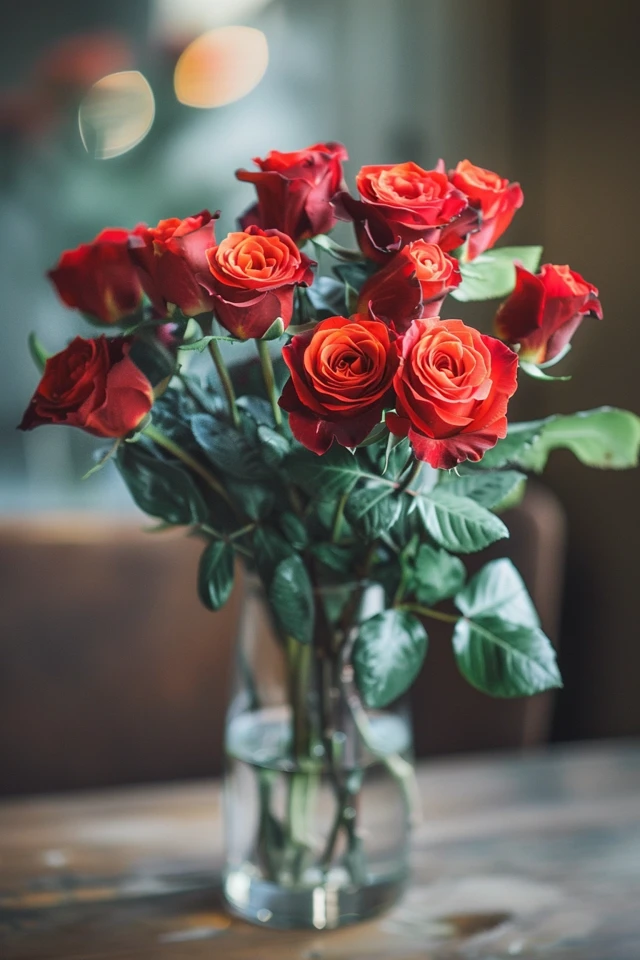
How To Care For Cut Roses In A Vase: Longevity Tips
There is nothing quite like the immediate lift a fresh bouquet of roses brings to an interior space. Whether you have sourced them from a high-end florist or clipped them from your own garden, roses add a layer of texture, scent, and color that no piece of furniture can replicate. However, few things are more frustrating than arranging a stunning centerpiece only to have the heads droop and the petals fade within forty-eight hours.
As an interior designer, I often rely on fresh florals to finish a room before a client reveal or a photo shoot. Over the years, I have learned that keeping roses alive is less about luck and more about specific, repeatable protocols. For plenty of visual inspiration on how to style these blooms in your own home, be sure to scroll all the way down to the Picture Gallery at the end of this blog post.
By understanding the biology of the flower and the chemistry of the water, you can extend the vase life of your roses from a few days to well over a week. This guide covers the exact methods I use to keep arrangements looking architectural and crisp for as long as possible.
1. The Prep Work: Processing Stems for Survival
The moment you bring roses into your home, the clock starts ticking. Most longevity issues stem from improper processing in the first fifteen minutes. You cannot simply drop them into a vase and hope for the best.
The Hydration Cut
When roses are out of water, the bottom of the stem seals up with sap and air bubbles. This prevents water uptake. You must re-cut the stems.
- Use sharp floral shears or a knife, never standard kitchen scissors. Scissors crush the stem tissue, destroying the water vessels.
- Cut at a 45-degree angle. This increases the surface area for water absorption and prevents the stem from sitting flush against the bottom of the vase.
- Take off at least one inch from the bottom.
Remove Lower Foliage
Bacteria is the number one enemy of cut roses. Leaves that sit below the water line will rot rapidly. This rot creates bacteria that clog the stems and prevent hydration.
- Strip every single leaf that will fall below the rim of your vase.
- Be gentle. Peeling the bark off the stem creates an open wound that lets bacteria in.
- I generally remove about 70% of the leaves, leaving only the top tier for greenery. This creates a cleaner, more modern look.
The Guard Petals
If you see bruised or greenish outer petals, do not panic. These are “guard petals.” Nature grows them to protect the inner bud.
- Gently pinch the base of these outer petals and peel them away.
- Removing them allows the rose to open fully and instantly elevates the look of grocery store bouquets to florist quality.
Designer’s Note: The “Soft Neck” Warning
In my early years of styling, I would often arrange roses and immediately place them in a cold room. I learned the hard way that if a rose has traveled without water, it needs a “warm drink” first. Placing dehydrated roses in ice-cold water can shock them. Use lukewarm water for the first fill to encourage faster uptake, then switch to cool water for maintenance.
2. The Vessel and Water Chemistry
The cleanliness of your vase is just as important as the quality of the flowers. If I am styling a dining table, I treat the vase preparation with the same seriousness as the table setting.
Sanitization is Non-Negotiable
A vase might look clean, but if it has dust or residue from a previous bouquet, it is a breeding ground for bacteria.
- Wash your vase with hot soapy water and a splash of bleach before use.
- Glass vases should be sparkling. Any cloudiness indicates mineral buildup or bacteria.
- If you use antique ceramic urns, check for hairline cracks where bacteria can hide.
The Water Recipe
You can use the packet that comes with the flowers, but making your own solution is often more effective. The goal is to provide food, balance the pH, and kill bacteria.
- Acidifier: Roses love slightly acidic water. A few drops of lemon juice or white vinegar helps water move up the stem.
- Sugar: This is the energy source. A teaspoon of sugar mimics the plant’s photosynthesis.
- Bleach: This sounds harsh, but it is necessary. Add just a few drops (about 1/4 teaspoon per quart) of bleach to the water. This keeps the water clear and inhibits bacterial growth.
Water Temperature
After the initial warm conditioning, roses generally prefer cool environments. Cool water keeps the bloom tight and slows down the aging process.
3. Selecting the Right Vase for Scale and Support
In interior design, scale is everything. A common mistake is putting tall roses in a short vase or drowning short stems in a tall cylinder. The relationship between the flower and the vessel dictates both the health of the rose and the aesthetic of the room.
The Rule of Thirds
Visually, the vase should take up about one-third to one-half of the total height of the arrangement.
- If your vase is 10 inches tall, your roses should extend roughly 5 to 10 inches above the rim.
- This provides physical support for the heavy heads.
- It ensures the stems are deep enough in the water to drink effectively.
Neck Width Matters
The opening of the vase changes the style and support.
- Wide Mouth: Great for a loose, “garden style” look. However, roses will lean and spread. You may need to use floral tape to create a grid across the top to keep them upright.
- Narrow Neck: ideal for a structural, modern look. The neck holds the stems tight and vertical. Be careful not to overcrowd, which can bruise stems and restrict airflow.
- Bud Vases: Perfect for a bedside table. A single rose in a bud vase is a high-impact, low-effort styling trick.
Common Mistakes + Fixes
Mistake: Using opaque ceramic vases and forgetting to check water levels.
Fix: Set a daily phone reminder. Because you cannot see the water line, you might not realize the roses have “drunk” the vase dry until they droop. Top off daily.
Mistake: Stuffing too many stems into a narrow opening.
Fix: Remove stems until they breathe. If the stems are crushed, they cannot transport water. Edit the arrangement down; less is often more.
4. Placement and Environmental Factors
Where you place your arrangement is just as critical as how you prep it. I have seen beautiful arrangements wither in a day because they were placed in a “dead zone.”
Avoid Direct Sunlight and Heat
Roses photosynthesize, but once cut, they are dying. Heat accelerates this process.
- Keep them away from south-facing windows with direct afternoon sun.
- Avoid placing them on mantels if the fireplace is in use.
- Keep them away from kitchen appliances that generate heat, like the stove or dishwasher vent.
The Fruit Bowl Danger
This is a scientific fact often ignored in kitchen styling. Ripening fruit (especially bananas and apples) releases ethylene gas.
- Ethylene is an aging hormone for plants.
- Placing roses next to a fruit bowl will cause them to open rapidly and drop their petals prematurely.
- Keep your floral arrangements at least a few feet away from produce.
Drafts and Air Conditioning
Roses lose water through their petals (transpiration). If they are in a drafty area, they dehydrate faster than they can drink.
- Avoid placing vases directly under HVAC vents or ceiling fans.
- Do not place them near open windows on windy days.
- Entryways are great for drama, but ensure the door isn’t constantly subjecting the flowers to temperature swings.
5. Daily Maintenance Routine
Caring for roses is an active process. You cannot “set it and forget it” if you want two weeks of life. Here is the maintenance schedule I recommend to clients.
Day 2 and Day 4: Top Off
Roses drink a lot of water in the first few days. Check the level every morning. Add fresh water mixed with a little flower food.
Day 3 or 4: Full Change
The water will likely start to get cloudy.
- Remove the roses from the vase.
- Dump the old water and rinse the vase thoroughly to remove scum.
- Refill with fresh water and flower food.
- Re-cut the stems by half an inch. This exposes fresh tissue and removes any clogged ends.
Mist the Petals
Roses love humidity. In dry, air-conditioned homes, the petals can dry out. A light misting of water on the heads can keep them looking dewy and fresh.
Removal of Fading Blooms
If you have a mixed bouquet, some stems will die faster than others.
- Remove any dead or dying flowers immediately.
- Dying flowers release ethylene gas, which will kill the healthy neighbors.
- This also keeps the arrangement looking polished.
What I’d Do in a Real Project: The Revival Trick
If I arrive at a project and the roses have “droopy neck” (where the head hangs down but the petals aren’t falling), I use the boiling water method.
1. Re-cut the stems at a sharp angle.
2. Dip the bottom inch of the stems into boiling water for 30 seconds.
3. Move them immediately to deep, warm water.
This forces air blocks out of the stem and can perk a rose up within an hour. It is a last-resort save, but it works wonders for photo shoots.
6. Styling Roses for Specific Rooms
Different rooms have different functional requirements. As a designer, I tailor the arrangement to the space.
The Dining Room
Low and lush is the rule here. You never want a centerpiece that blocks eye contact across the table.
- Cut stems short, around 6 to 8 inches.
- Use a low, wide bowl or a series of small julep cups.
- Monochromatic colors (all white or all red) look most sophisticated here.
The Entryway
This is the place for height and drama.
- Use a tall, heavy cylindrical vase (at least 12 inches high).
- Leave stems long.
- Add structural greenery or branches to increase the scale.
- This sets the tone for the home immediately upon entry.
The Bedroom
Scent is the priority here, but visual clutter should be low.
- Choose a variety known for fragrance, like Garden roses.
- Keep the arrangement small—a cluster of 3 to 5 blooms on a nightstand.
- Use soft colors like creams, blush, or pale lavenders to promote relaxation.
The Kitchen Island
This is a high-traffic zone. The arrangement needs to be sturdy.
- Use a heavy vessel that won’t tip over if bumped.
- Avoid sprawling arrangements that take up prep space.
- A tight, paved arrangement (where rose heads touch each other) works well here as it is compact and dense.
7. Drying Roses for Longevity
Sometimes, you want to keep the memory of the roses longer than their natural life. Dried roses can be a beautiful textural element in fall or winter decor.
When to Dry
Do not wait until the rose is dead. You want to start drying when the bud is partly open but the petals are still firm. If they are shedding, it is too late.
The Hanging Method
- Strip all foliage from the stems.
- Tie the stems together with a rubber band (stems shrink as they dry, so string will slip off).
- Hang them upside down in a dark, dry, well-ventilated closet for two to three weeks.
- Once dried, spray them with hairspray to prevent shattering.
Final Checklist: The Pro Protocol
Here is the quick reference guide I use when training new assistants. Follow these steps for guaranteed success.
- Clean: Bleach the vase. No exceptions.
- Strip: Remove all leaves below the waterline. Remove guard petals.
- Cut: Use a knife or sharp shears at 45 degrees.
- Feed: Use flower food or a bleach/sugar/lemon mix.
- Place: Away from fruit, sun, and drafts.
- Maintain: Change water and re-cut stems on Day 3.
FAQs
Should I put a penny in the vase?
The copper in old pennies used to act as a fungicide. However, modern pennies are mostly zinc. It is largely a myth today. Stick to a drop of bleach for better results.
Does putting aspirin in the water help?
Yes, aspirin is salicylic acid. It helps lower the pH of the water, which improves water flow in the stems. However, commercial flower food is more balanced and effective.
Why are my roses not opening?
They might have been cut too early, or they are too cold. Try re-cutting the stems and placing them in warm water (100°F) in a slightly warmer room to encourage the bloom to relax.
Can I put roses in the fridge at night?
Absolutely. This is what florists do. If you have the space and want to maximize longevity for a specific event, refrigerating them overnight (away from fruit) will significantly slow down aging.
How do I handle roses with woody stems?
Some garden roses have very thick, wood-like stems. In addition to the 45-degree cut, you can use your shears to vertically split the bottom half-inch of the stem. This opens up more tissue for water absorption.
Conclusion
Caring for cut roses is a blend of science and art. It requires attention to detail, but the reward is a living element that elevates your home’s atmosphere. By treating the water, processing the stems correctly, and placing them thoughtfully within your space, you can enjoy their beauty for far longer than the standard few days.
Treat your floral arrangements with the same consideration you give your furniture or lighting. They are not just decorations; they are a focal point that brings energy and life into a room. With these tips, you can confidently keep fresh blooms in your rotation, knowing exactly how to maintain their elegance.
Picture Gallery


