
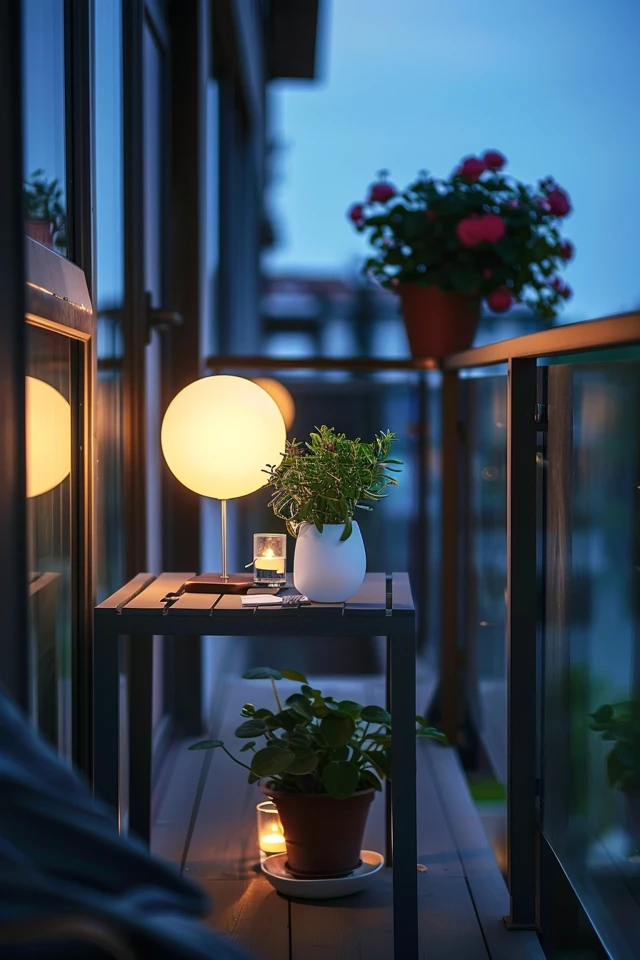
Illuminating Spaces: Apartment Balcony String Lights Ideas
There is something inherently magical about stepping out onto a balcony at twilight. Even a small, concrete slab overlooking a parking lot can transform into a private sanctuary with the right ambiance. In my years of designing urban apartments, I have found that lighting is the single most impactful element you can change without breaking your lease or your budget.
I remember a specific client in Chicago who refused to use her balcony because it felt “cold and exposed.” We didn’t change the furniture or the flooring initially. We simply layered warm string lights with heavy-duty outdoor adhesive hooks and added a floor lantern. She called me the next night to say she had just eaten dinner outside for the first time in three years. For a huge dose of inspiration, don’t miss our curated Picture Gallery at the end of this post.
This guide covers everything you need to know about selecting, installing, and styling string lights for apartment living. We will move beyond the basics and dive into designer secrets regarding scale, color temperature, and rental-friendly installation hacks that actually withstand wind.
Understanding Bulb Types and Color Temperature
Before you buy a single strand, you need to understand the hardware. The biggest mistake I see DIYers make is buying lights that are too cool, making the balcony look like a surgical suite rather than a lounge.
The Kelvin Scale Rule
In interior design, we measure light “warmth” in Kelvins (K). For a cozy, intimate balcony, you must stick to the 2200K to 2700K range.
- 2200K (Amber/Candlelight): This creates a moody, vintage vibe. It is perfect for late-night cocktails but might be too dim for reading.
- 2700K (Soft White): This is the industry standard for residential relaxation. It mimics the glow of traditional incandescent bulbs.
- 3000K and above: Avoid this for balconies. It appears crisp white or blueish, which kills the relaxing atmosphere.
Bulb Shapes and Scale
Scale is critical in small apartment spaces. If you buy massive commercial-grade bulbs for a 4×8 balcony, the space will feel claustrophobic.
- G40 Globe Lights: These are the gold standard for apartments. They are golf-ball-sized, round, and provide a classic bistro look without overwhelming the visual field.
- S14 Edison Bulbs: These are slightly larger and teardrop-shaped. They work well if your balcony has a higher ceiling (over 8 feet), but can look heavy in smaller spaces.
- Fairy Lights/Micro LEDs: These are copper wire lights with tiny chips. Use these for wrapping railings or stuffing into lanterns, but not for overhead lighting. They lack the lumens to illuminate the space properly.
Designer’s Note: Durability Matters
Look for “shatterproof” LED acrylic bulbs rather than glass. On a high-rise balcony, wind can knock strands against railings. Glass creates a dangerous cleanup situation for you and neighbors below. Ensure the strand is rated IP65 (waterproof), not just “weather-resistant.”
Layout Strategies for Small Footprints
Once you have your lights, you need a plan. The layout dictates how the light falls and how spacious the area feels. Throwing them up randomly often leads to a messy, tangled look.
The Perimeter Wrap
This is the safest bet for beginners. You trace the outline of the balcony ceiling or the top of the railing.
- Best for: Very small balconies or loggias (covered balconies).
- Effect: It defines the architectural edge of the space.
- Technique: Keep the tension relatively tight so the line is crisp. This looks more modern and intentional.
The Zig-Zag (or Switchback)
This involves stringing the lights back and forth across the width of the balcony.
- Best for: Square balconies where you want even, overhead light for dining.
- Spacing Rule: Keep your “zigs” about 18 to 24 inches apart. If they are closer, the ceiling feels cluttered. If they are further, you get dark spots.
- Drape: Allow for 2-3 inches of swag (droop) in the center of the line. This adds a casual softness.
The Hub and Spoke (or Fan)
This requires a central mounting point (usually on the wall near the door) where all strands originate, fanning out to different points on the railing.
- Best for: Asymmetrical balconies or creating a focal point.
- Visual Impact: It draws the eye toward the door, making the connection between indoor and outdoor living seamless.
Common Mistakes + Fixes
Mistake: Letting lights hang too low.
The Fix: In a small apartment balcony, vertical space is precious. The bottom of the lowest bulb should be at least 7 feet off the ground if people are walking under it. If you are only sitting, you can go lower, but ensure it doesn’t obstruct the view when you stand up.
Rental-Friendly Installation Methods
This is the most challenging part of apartment design. You usually cannot drill into the stucco, brick, or siding. Fortunately, hardware technology has come a long way.
The Tension Rod Hack
If you have a “loggia” style balcony (a concrete ceiling above you and walls on both sides), this is my favorite trick.
- Buy a heavy-duty, outdoor-rated tension rod (like a shower curtain rod but stronger).
- Install it high up between the two side walls.
- Wrap your lights around this rod.
- Benefit: Zero adhesive, zero drilling, and it allows you to position lights exactly where you want them.
Adhesive Hooks (Done Right)
Command hooks specifically rated for “Outdoor” use are essential. The indoor ones will fail with humidity and temperature shifts.
- Prep is key: You must clean the surface with rubbing alcohol first. Dust and pollen are the enemies of adhesion.
- Placement: Place hooks every 2 to 3 feet. Do not try to span 6 feet with one hook; the weight of the cable will pull it down eventually.
- Wait time: Apply the hook and wait 24 hours before hanging the lights. This allows the chemical bond to cure.
Zip Ties and Railings
For lower-level lighting, use the railing.
- Use clear or black zip ties (match your railing color).
- Designer Tip: Do not cut the tail of the zip tie immediately. Pull it tight with pliers, cut it flush with a wire cutter, and then sand the sharp edge slightly so it doesn’t snag your clothes. Alternatively, rotate the “head” of the zip tie to the underside of the railing so it is invisible.
Free-Standing Poles
If you have an open-air balcony (no ceiling above), you need height.
- Use “string light poles” that clamp onto the railing. They look like shepherds’ hooks.
- Ensure the clamp has rubber padding to avoid scratching the rental railing.
- This lifts the lights 8 or 9 feet into the air, creating a “ceiling” of light without any structural attachment.
Styling and Layering Your Lighting
String lights are the foundation, but they shouldn’t be the only player. In interior design, we rely on “layers of light” to create depth. A single overhead source can feel flat.
Floor Level Lighting
To balance the overhead string lights, add a glow at your feet.
- Use solar-powered lanterns in the corners.
- LED candles inside tall glass hurricanes work beautifully on side tables.
- This draws the eye down and makes the space feel grounded.
Reflective Surfaces
Maximize the sparkle by positioning lights near reflective surfaces.
- If you are allowed to hang a mirror on an exterior wall, do it. It doubles the light and makes the balcony feel twice as big.
- Glass tabletops also reflect the overhead bulbs, creating a lovely shimmering effect at night.
Greenery and Light Integration
String lights look best when they interact with texture.
- Weave the lights through a faux ivy trellis or a real climbing jasmine plant.
- The leaves diffuse the light, softening the glare and creating interesting shadows.
- If you have a large potted tree (like a fiddle leaf fig or palm), wrap the trunk with micro-LEDs for a magical effect.
What I’d do in a real project:
For a 5×10 balcony, I would run G40 globe lights in a zig-zag pattern overhead. Then, I would place two large woven lanterns with battery-operated candles in the corners. Finally, I would drape a sheepskin throw on the chair. The combination of warm light and soft texture creates an irresistible “hygge” vibe.
Power Logistics and Safety
The boring part is often the most important. How do you power these lights if you don’t have an outdoor outlet? This is a standard hurdle in older apartment buildings.
The Door Gasket Method
Most balcony doors have a rubber weather seal.
- Use a flat extension cord (specifically designed for under-rug or under-door use).
- Run the cord through the bottom corner of the door frame.
- The rubber gasket usually has enough “give” to close over a flat cord without damaging it or compromising the seal.
Battery and Solar Options
If the door method isn’t possible, you are limited to self-contained power.
- Solar: Only choose solar if your balcony gets direct sunlight for 6+ hours a day. If you are north-facing or in a shady alley, solar lights will die after 30 minutes. Look for panels that are separate from the lights so you can stake the panel in a plant pot that gets the most sun.
- USB/Battery Packs: Many modern string lights run on USB. You can use a high-capacity portable power bank (the kind used for charging phones). This is a fantastic solution for renters because it is totally wireless. Just remember to bring the battery inside to charge.
Weatherproofing Connections
If you are connecting multiple strands, the connection point is a weak link.
- Screw the caps on tightly.
- Wrap the connection in electrical tape or use a “waterproof extension cord cover” (a small plastic safety capsule).
- Never leave open sockets. If a bulb burns out, leave it in place until you have a replacement to keep moisture out of the socket.
Final Checklist: The Designer’s Process
Before you start clicking “add to cart,” run through this checklist to ensure you have covered all bases. This is the exact mental workflow I use for client projects.
1. Measure Twice
Measure the length and width of the space. Then, use a piece of string to mock up the pattern you want (zig-zag, perimeter). Measure that string. That is the length of lights you need. Always buy 2-3 feet more than you think you need to reach the outlet.
2. Check Your Power Source
Identify where the plug is. Is it inside or outside? Do you need a flat extension cord? Do you need a battery bank? Don’t wait until installation day to figure this out.
3. Verify Rules
Check your lease or HOA guidelines. Some buildings forbid hanging things from the ceiling or require specific bulb colors.
4. Select the Bulb
Go for G40 or S14 shapes. Ensure the color temperature is 2700K. Ensure they are shatterproof LEDs.
5. Gather Installation Gear
Do not rely on the little clips that come on the lights. Buy Outdoor Command hooks, zip ties, or tension rods.
6. Test Before Hanging
Plug the lights in immediately upon unboxing to ensure all bulbs work. It is frustrating to hang a 50-foot strand only to find out the middle section is dead.
Frequently Asked Questions
Can I leave my string lights up during winter?
Yes, if they are rated IP65 or higher. However, extreme cold can make plastic cabling brittle. If you live in an area with heavy snow or ice, I recommend taking them down or ensuring they are secured tightly so wind doesn’t whip the frozen cords against the wall.
How do I hide the ugly extension cord?
Paintable cord covers are a great option if you can stick them to the wall. For a rental-friendly fix, run the cord behind furniture or tuck it along the very edge of the floor where the wall meets the deck. You can also spiral-wrap the cord with an artificial ivy garland to disguise it as greenery.
My balcony has no ceiling. How do I hang lights overhead?
You need to create vertical supports. Use heavy-duty clamps designed for deck railings that hold vertical poles. Alternatively, place heavy planters in the corners and cement a bamboo pole or 2×2 wood post into the pot. String your lights between these posts.
Are solar lights bright enough for dining?
Generally, no. Solar lights are best for “ambient” mood lighting. For dining, you usually need the consistent lumen output of plug-in or battery-pack LED lights. If you must use solar, buy a high-end set with a large panel and expect a softer glow.
What is the best way to store lights when I move?
Never ball them up. Wrap them around a piece of cardboard or a plastic reel (like a hose reel). Remove the bulbs if they are glass, but if they are shatterproof LEDs, you can usually leave them in. This prevents the dreaded “Christmas light tangle” at your next apartment.
Conclusion
Lighting your apartment balcony is about reclaiming square footage. It turns a dark, unused exterior corner into a functional room for reading, dining, or decompressing after a long day. It does not require a massive budget or permanent construction—just a thoughtful approach to layout and the right color temperature.
Remember that the goal is atmosphere, not brightness. You are creating a glow, not a spotlight. By following these rules of thumb regarding scale and installation, you can create a high-end look that is fully reversible when it’s time to move. Start with the perimeter, layer in some lanterns, and enjoy your new evening retreat.
Picture Gallery


